

Master tech packs for garment manufacturing & streamline your production. Get factory-direct pricing now!
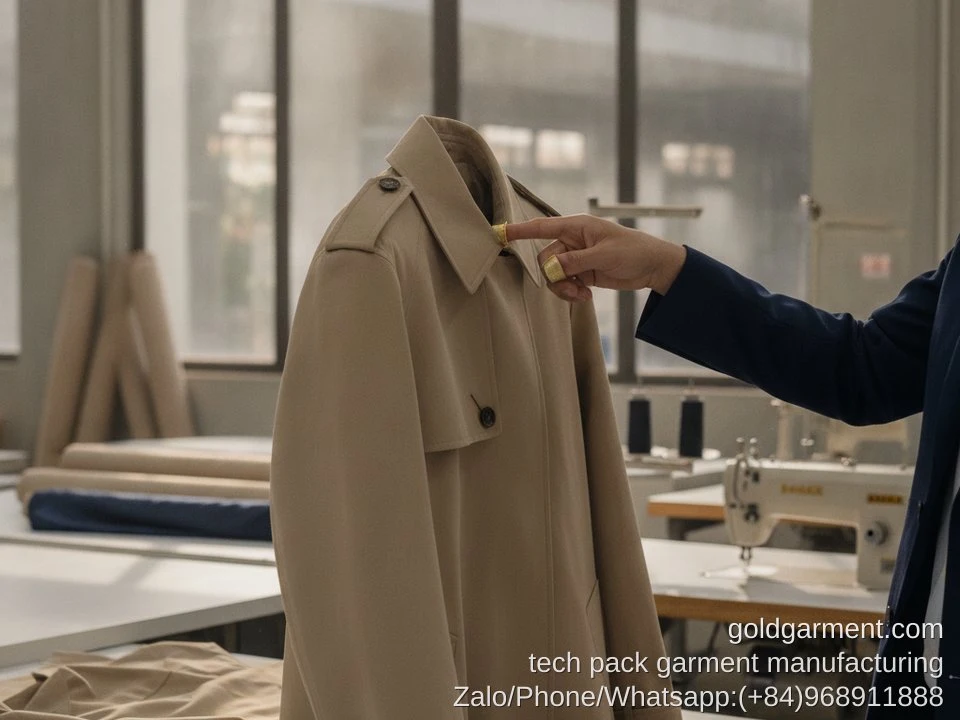
How to Write a Tech Pack for Garment Manufacturing: A Buyer's Complete Guide
For any fashion brand looking to bring their designs to life, understanding the intricacies of a tech pack garment manufacturing is paramount. This comprehensive document serves as the blueprint for your apparel, ensuring your vision is accurately translated into a tangible product by your chosen factory. Whether you're a seasoned designer or an emerging brand owner, a well-constructed tech pack is the cornerstone of a successful manufacturing partnership.
At Gold Garment, located at 32 Pho Quang, Ho Chi Minh City, Vietnam, we understand the critical role a detailed tech pack plays. It's the primary communication tool between your brand and our skilled Vietnamese craftspeople, bridging the gap between concept and creation. This guide will walk you through the essential components of a garment tech pack, empowering you to provide clear, actionable instructions for seamless production.
What is a Tech Pack and Why is it Crucial?
A tech pack garment manufacturing, also known as a specification sheet or technical design package garment, is a detailed set of instructions and specifications required for the manufacturing of a garment. It's more than just a sketch; it's a technical document that outlines every aspect of the garment, from materials and measurements to construction methods and finishing details.
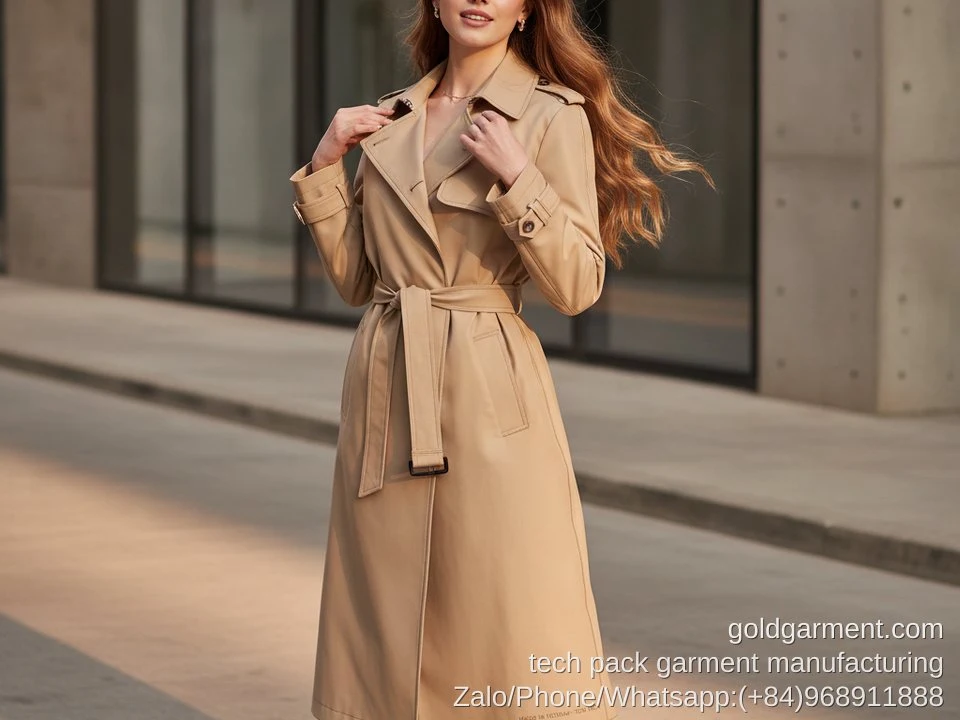
Without a comprehensive tech pack, factories are left to interpret your design, leading to costly errors, delays, and products that don't meet your expectations. For brands working with international partners like Gold Garment, a precise tech pack minimizes ambiguity and ensures that our production process aligns perfectly with your design intent. This is especially vital for custom design and OEM/ODM projects.
Key Components of a Garment Tech Pack
A well-structured tech pack typically includes several key sections. Each section provides specific information that guides the factory through the development and production stages. Think of it as a recipe for your garment, with every ingredient and instruction clearly defined.
1. Cover Page / Project Overview
This initial section provides essential identifying information. It should include the brand name, the specific style name or number, the season, and the date of creation or revision. A clear overview sets the context for the entire document and ensures all parties are working with the correct version.
2. Design Sketch / Flat Sketch
This is the visual representation of your garment. A flat sketch is a two-dimensional drawing that shows the garment from the front, back, and sometimes side views. It should be clean and detailed, illustrating the silhouette, seam lines, and any unique design features. While a hand-drawn sketch can be a starting point, a digital flat sketch is preferred for clarity and accuracy in tech pack garment manufacturing.
3. Bill of Materials (BOM)
The BOM is a comprehensive list of all materials required to construct the garment. This includes:
- Main Fabric: Specify the type of fabric (e.g., cotton jersey, polyester blend), its weight (GSM), color, and any special finishes (e.g., brushed, mercerized). Providing fabric swatches or Pantone references is highly recommended.
- Lining Fabric: If applicable, detail the type, weight, and color of the lining material.
- Trims: This encompasses all components other than the main fabric. Include details for buttons (material, size, color, quantity), zippers (type, length, color, placement), thread (type, color, weight), labels (care labels, brand labels, size labels – specify placement and content), elastic, drawstrings, eyelets, and any other embellishments.
For brands seeking custom solutions, our OEM/ODM services can assist in sourcing appropriate materials and trims to match your design aesthetic and quality standards.
4. Measurement Chart / Spec Sheet
This is one of the most critical sections for ensuring proper fit. The measurement chart provides precise dimensions for each part of the garment at a specific size (usually the base size). Key measurements include:
- Body Length: From the high point of the shoulder to the hem.
- Chest Width: Measured across the garment, typically 1 inch below the armhole.
- Sleeve Length: From the shoulder seam to the cuff.
- Waist: Measured flat across the waistband.
- Hem Width: The width of the garment opening at the bottom.
- Neck Drop: The distance from the neckline to the bottom of the neck opening.
For each measurement, you'll also need to specify the tolerance – the acceptable range of variation. This section is essential for consistent sizing across all production runs, especially for bulk manufacturing.
5. Construction Details
This section outlines how the garment should be assembled. It details the types of seams, stitch types, and specific construction techniques to be used. For example:
- Seam Types: Specify if a French seam, flatlock seam, or serged seam is required.
- Stitch Count: The number of stitches per inch (SPI) for critical seams.
- Hemming: Detail the type of hem (e.g., double-needle, blind hem) and its width.
- Pocket Construction: How pockets should be attached and finished.
- Collar and Cuff Construction: Specific methods for attaching and finishing these elements.
Clear construction details prevent misunderstandings and ensure the garment is built to your exact specifications, a key aspect of our production process.
6. Color and Print Information
If your garment involves multiple colors or prints, this section is vital. Specify the exact colors using Pantone Matching System (PMS) codes for consistency. For prints, provide:
- Print Placement: Indicate where the print should be on the garment (e.g., center chest, left sleeve).
- Print Size: Provide dimensions for the print.
- Print Method: Specify if it's screen printing, heat transfer, embroidery, etc.
- Color Separation: If applicable, provide color separations for multi-color prints.
Accurate color and print specifications are crucial for achieving the desired aesthetic, especially for items like t-shirts, polo shirts, and hoodies.
7. Labeling and Packaging Instructions
This section covers the details for all labels attached to the garment, including:
- Brand Label: Material, size, placement, and content (logo, brand name).
- Care Label: Symbols and text for washing and care instructions, compliant with the target market's regulations.
- Size Label: Placement and font.
Additionally, specify packaging requirements such as polybag type, hang tags, folding instructions, and carton packing details. This ensures your product arrives retail-ready.
8. Quality Assurance (QA) and Testing Requirements
Outline any specific quality control measures or testing that needs to be performed. This might include colorfastness tests, shrinkage tests, or specific inspection points during production. Clear QA guidelines help maintain consistent quality throughout the manufacturing run.
Tips for Creating an Effective Tech Pack
Crafting a stellar tech pack is an art and a science. Here are some tips to ensure yours is effective for tech pack garment manufacturing:
- Be Thorough: Don't assume the factory knows what you mean. Explain everything clearly and leave no room for interpretation.
- Use Visuals: Flat sketches, color swatches, and even photos of similar garments can greatly enhance understanding.
- Be Consistent: Ensure measurements, terminology, and details are consistent throughout the document.
- Use a Template: A well-designed garment tech pack template can save you time and ensure you don't miss crucial details.
- Review and Revise: Before submitting, thoroughly review your tech pack. It's also beneficial to have a second pair of eyes look over it.
- Communicate with Your Factory: If you're unsure about a specification, ask your manufacturing partner for clarification. This is where our sample development service can be invaluable, allowing us to refine details before bulk production.
Brands working with Gold Garment benefit from our experience in producing a wide range of products, from t-shirts and polo shirts to corporate uniforms and workwear, all with a minimum order quantity (MOQ) from 100 pcs/style.
Frequently Asked Questions
Q: How detailed does a tech pack need to be?
A: A tech pack needs to be as detailed as necessary to convey your design and quality requirements clearly to the factory. For complex garments or intricate details, more elaboration is needed. For simpler items, a concise yet precise document will suffice. The goal is to eliminate guesswork.
Q: What if I don't have precise measurements for every size?
A: Most factories, including Gold Garment, can help with grading your measurements across different sizes. You typically need to provide the base size measurements, and the factory can then grade up or down based on industry standards or your specific requests. This is part of our support during sample development.
Q: Can I use a single tech pack for multiple colors of the same style?
A: Yes, you can often use a single tech pack for multiple colors of the same style, provided the construction, measurements, and trims remain the same. You would simply specify the different colorways in the relevant section, often referencing Pantone codes.
Q: How often should I update my tech pack?
A: You should update your tech pack whenever there are changes to the design, materials, measurements, or construction methods. It's also good practice to have a version control system to track revisions and ensure everyone is working with the latest information.
A well-crafted tech pack is your most powerful tool when partnering with a garment manufacturer. It ensures clarity, accuracy, and ultimately, the successful production of your designs. Let Gold Garment help you bring your fashion vision to life with our expert manufacturing services.
📩 Request a Free Quote — Response Within 5 Minutes
GOLD GARMENT — Vietnam's Trusted Garment Manufacturer
📱 WhatsApp: +84 968 911 888
📩 Email: contact@goldgarment.com
🌎 Website: goldgarment.com
📍 Factory: 32 Pho Quang, Ho Chi Minh City, Vietnam
Factory-direct pricing · MOQ from 100 pcs/style · Sample development · Worldwide shipping




COMMENTS