

Garment production lead time: Understand manufacturing timelines & boost your launch strategy. Get a Free Quote today!
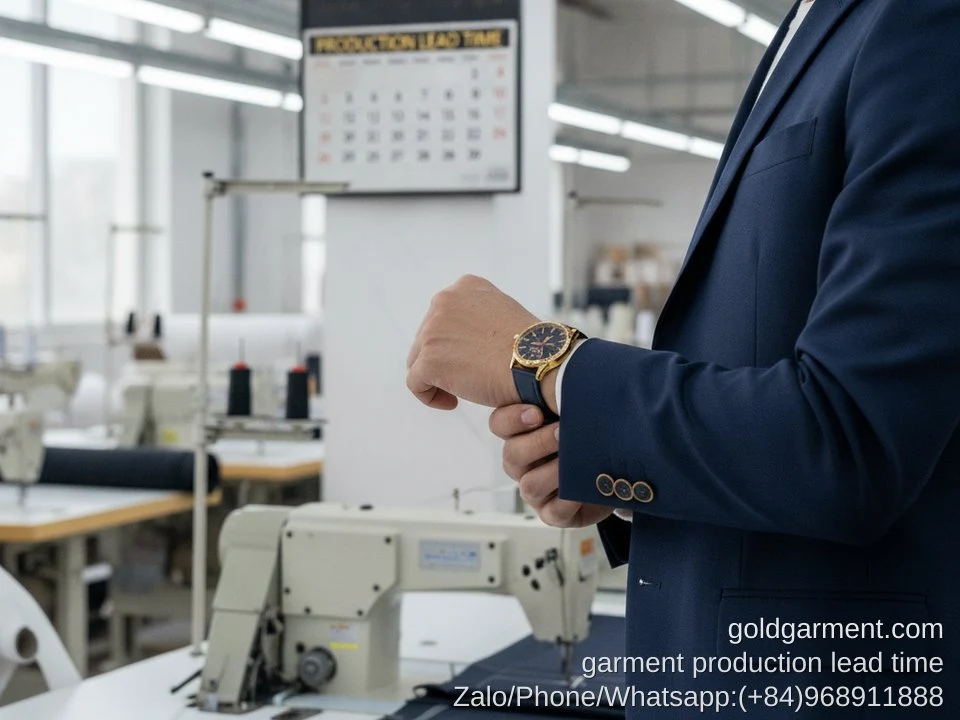
Garment Production Lead Time: How Long Does Manufacturing Actually Take?
For any fashion brand, from emerging startups to established labels, understanding the garment production lead time is paramount. It directly impacts your product launch schedule, inventory management, and ultimately, your bottom line. Many buyers underestimate the complexities involved, leading to missed deadlines and frustrated customers. At Gold Garment, a professional garment manufacturer based in Ho Chi Minh City, Vietnam, we believe in transparency and empowering our clients with knowledge.
This comprehensive guide will demystify the typical clothing manufacturing timeline, breaking down the stages involved and factors that influence how long it takes to manufacture garments. Whether you're planning your first collection or optimizing your existing supply chain, grasping these nuances will help you set realistic expectations and forge a smoother path to market.
Understanding the Core Components of Garment Production Lead Time
The garment factory lead time isn't a single, fixed duration. Instead, it's a composite of several critical phases, each contributing to the overall timeline. Recognizing these individual components allows for better planning and proactive problem-solving.

1. Design and Tech Pack Development
This initial stage involves translating your creative vision into tangible specifications. It includes detailed sketches, material selection, color palettes, and precise measurements. A well-defined tech pack is the blueprint for your garment, ensuring clarity and accuracy for the factory. The complexity of your design and the level of detail provided can significantly influence how long this phase takes.
For brands new to the process, this might involve more back-and-forth with our design team. We offer custom design services to help bring your ideas to life. A clear and comprehensive tech pack is crucial for a streamlined manufacturing process. It minimizes misunderstandings and rework later on.
2. Sampling and Prototyping
Once the tech pack is finalized, the next step is creating a physical sample. This is where your design comes to life. The sampling phase is iterative; you'll review the first sample, provide feedback, and request revisions until the garment perfectly matches your vision. This stage is vital for quality control and ensuring the fit, fabric, and construction meet your standards.
Our expert team in Ho Chi Minh City excels at sample development. We understand the importance of getting this right before committing to bulk production. A well-executed sample saves time and resources in the long run. You can explore more about this in our sampling guide.
3. Material Sourcing and Preparation
The availability and sourcing of specific fabrics, trims, and embellishments can impact the timeline. If custom dyeing or unique materials are required, this can add extra time. Once materials are secured, they need to be prepared, which might include pre-washing or cutting.
At Gold Garment, we have established relationships with reliable material suppliers, which helps mitigate potential delays. However, for highly specialized or limited-run materials, lead times can be longer. Efficient material management is a cornerstone of timely production.
4. Bulk Production
This is the core manufacturing phase where your garments are produced in quantity. It involves cutting, sewing, finishing, and quality checks. The duration of bulk production depends heavily on the order volume (MOQ), the complexity of the garment, and the efficiency of the factory floor.
Our factory in Vietnam is equipped with modern machinery and staffed by skilled Vietnamese craftspeople. We are capable of handling MOQs from 100 pcs/style, catering to a wide range of brand needs. The efficiency of our production lines is a key factor in our competitive garment production lead time.
5. Quality Control and Inspection
Rigorous quality control is integrated throughout the entire manufacturing process, not just at the end. This includes checks during cutting, sewing, and final inspection before packing. Thorough quality assurance ensures that every garment meets the brand's standards and customer expectations.
Our commitment to quality means that this stage, while essential, is managed efficiently. We conduct multiple checks to prevent issues from escalating. This proactive approach minimizes the risk of delays due to quality defects.
6. Packaging and Shipping
Once production is complete and quality checks are passed, garments are packaged according to your specifications. This includes folding, tagging, poly-bagging, and boxing. The final step is arranging shipment to your designated location. Shipping times will vary based on destination and chosen shipping method.
We work with reputable logistics partners to ensure timely and secure delivery. Understanding international shipping routes and customs procedures is part of our expertise. Efficient packaging also contributes to a smoother handover to the shipping carriers.
Factors Influencing Garment Production Lead Time
Beyond the core stages, several external and internal factors can significantly influence the overall garment factory lead time. Being aware of these will help you plan more effectively.
Order Volume and Complexity
Larger order quantities naturally require more time for cutting, sewing, and finishing. Similarly, highly intricate designs with multiple components, embellishments, or complex construction techniques will extend the manufacturing period. Simple designs like t-shirts or polo shirts generally have shorter lead times than complex outerwear or multi-piece garments.
At Gold Garment, we specialize in producing a variety of garments, including t-shirts, polo shirts, hoodies, sweatshirts, corporate uniforms, and workwear. Our experience allows us to efficiently manage production for both simple and complex items. We can discuss the estimated lead time based on your specific product and volume when you contact us to discuss timelines.
Material Availability and Lead Times
The sourcing of fabrics and trims is a critical factor. If you require specific, custom-dyed fabrics or unique trims that are not readily available, the lead time for these materials can add weeks to the overall production schedule. Planning material orders well in advance is crucial.
We maintain strong relationships with a wide network of fabric and trim suppliers. However, for highly specialized requests, early communication is key. Understanding the supply chain for your chosen materials is part of our collaborative approach.
Seasonality and Factory Capacity
Peak seasons for fashion (e.g., pre-holiday rushes) can strain factory capacity. During these times, lead times may increase due to higher demand. Conversely, off-peak periods might offer faster turnaround times.
Gold Garment operates year-round, but we advise clients to book production slots in advance, especially for large orders or during known busy periods. Our capacity planning helps us manage demand effectively, but proactive booking ensures your project receives priority.
Communication and Feedback Loops
Delays in communication, slow response times to sample approvals, or unclear feedback can significantly slow down the entire process. Prompt and clear communication between the brand and the manufacturer is essential for maintaining momentum.
We prioritize clear, consistent communication with our clients, who are primarily from markets like the USA, Europe, Australia, and Southeast Asia. Our team is adept at working across different time zones and cultures. Open dialogue is key to a successful partnership.
Urgency and Rush Orders
While we strive to accommodate all client needs, rush orders can sometimes incur additional costs and may not always be feasible depending on current factory load and material availability. It's always best to plan with ample lead time rather than relying on rush services.
We understand that sometimes, market opportunities require expedited production. If a rush order is necessary, we will assess feasibility and communicate any potential surcharges upfront. Our goal is to deliver quality, even under pressure, but it's a delicate balance.
Typical Garment Production Lead Time Ranges
It's challenging to provide a single definitive number for how long to manufacture garments, as it varies so widely. However, we can offer general estimates based on common scenarios:
- Small Batch Production (100-500 pcs): For simpler garments with readily available materials, this could range from 4-8 weeks from sample approval to finished goods.
- Medium Batch Production (500-2000 pcs): Expect a timeline of 8-12 weeks, depending on design complexity and material lead times.
- Large Batch Production (2000+ pcs): For significant volumes, the lead time can extend to 12-20 weeks or more.
These are approximate figures. The actual garment production lead time will depend on the specific details of your project. Factors like custom fabric development or intricate embellishments can add significant time to these estimates.
Optimizing Your Garment Production Timeline
To ensure your production runs as smoothly and efficiently as possible, consider these strategies:
- Develop a Detailed Tech Pack Early: The more precise your specifications, the less room for error and revision.
- Plan Your Material Sourcing in Advance: Identify and confirm your fabric and trim suppliers as soon as possible.
- Communicate Clearly and Promptly: Respond to factory queries and provide feedback without delay.
- Build Buffer Time into Your Schedule: Unexpected issues can arise; having a buffer provides flexibility.
- Choose the Right Manufacturing Partner: Work with a factory that has a proven track record, transparent processes, and excellent communication, like Gold Garment.
Our factory-direct pricing and over 10 years of experience in serving international brands mean we understand the pressures and demands of the global fashion market. We are committed to helping you navigate the complexities of clothing manufacturing timeline.
Frequently Asked Questions
Q: How long does it take to get the first sample?
A: The time to produce the first sample typically ranges from 7 to 14 days, depending on the complexity of the design and the availability of materials. This can be shorter or longer based on specific requirements.
Q: What is the typical lead time for bulk production after sample approval?
A: After the final sample is approved, bulk production can take anywhere from 4 to 12 weeks. This is highly dependent on the order quantity, garment complexity, and the current production schedule of the factory.
Q: Does the type of garment affect the production lead time?
A: Absolutely. Simpler garments like basic t-shirts or polo shirts generally have shorter lead times compared to more complex items such as jackets, intricate dresses, or garments with extensive detailing and embellishments.
Q: Can Gold Garment accommodate rush orders?
A: We understand that urgent needs can arise. While we always recommend ample lead time for optimal quality and efficiency, we can assess the feasibility of rush orders based on our current production capacity and material availability. Please reach out to us to discuss your specific requirements.
Understanding and accurately planning for garment production lead time is a critical skill for any fashion brand aiming for success. At Gold Garment, located at 32 Pho Quang, Ho Chi Minh City, Vietnam, we are dedicated to providing transparent and efficient manufacturing solutions for your custom garment needs.
📩 Request a Free Quote — Response Within 5 Minutes
GOLD GARMENT — Vietnam's Trusted Garment Manufacturer
📱 WhatsApp: +84 968 911 888
📩 Email: contact@goldgarment.com
🌎 Website: goldgarment.com
📍 Factory: 32 Pho Quang, Ho Chi Minh City, Vietnam
Factory-direct pricing · MOQ from 100 pcs/style · Sample development · Worldwide shipping




COMMENTS